
Anterior Segment and Cornea Conditions
 Athens EyeCare Clinicathenseyecare.gr · (+30) 210 777 8515
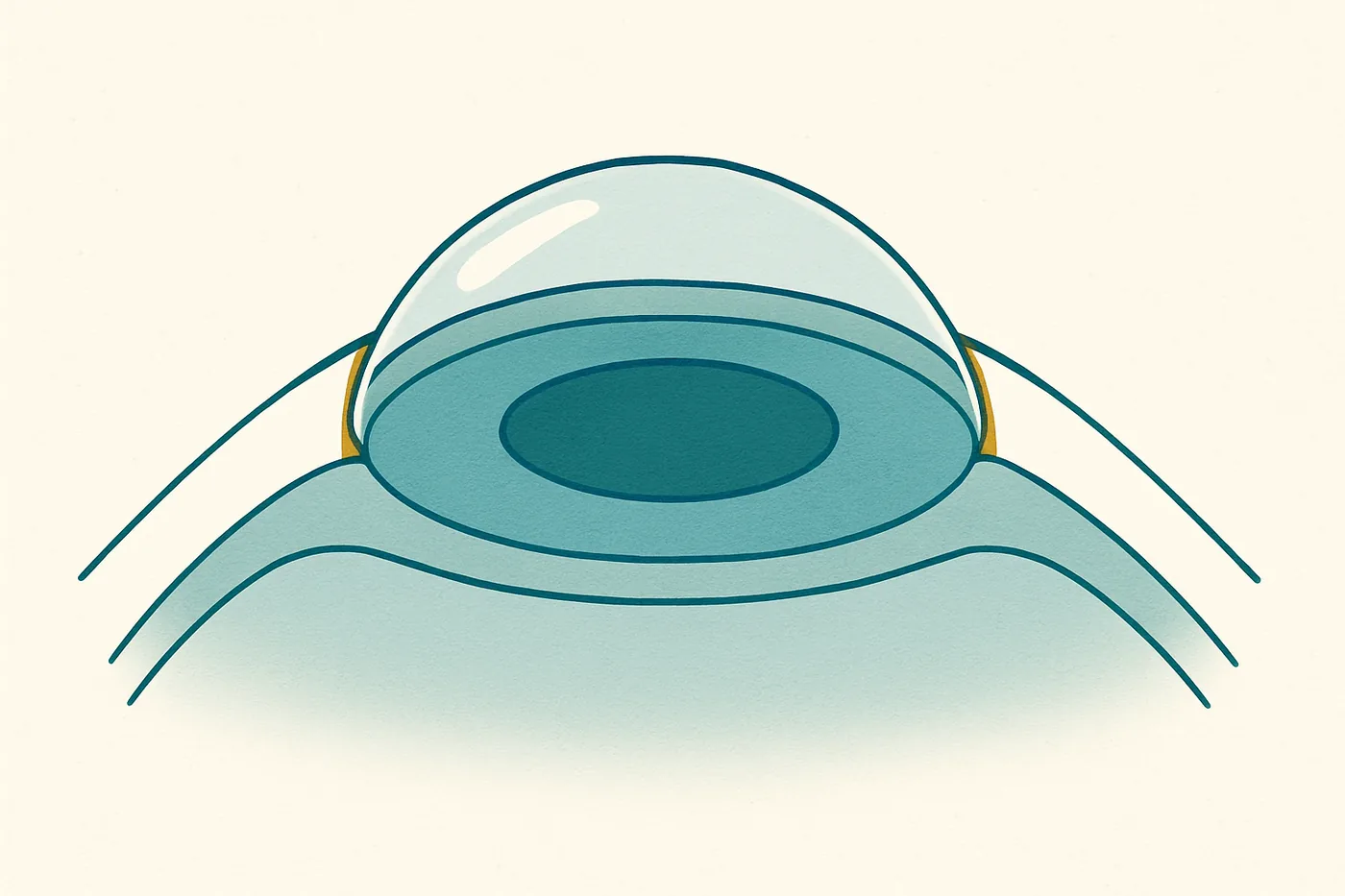
The cornea is the clear “window” at the front of your eye, and it plays a part in how well you see. You can help keep your corneas — and your vision — healthy by protecting your eyes during sport and work, and by having regular eye examinations. Corneal problems include scratched corneas, keratoconus and corneal dystrophies, including Fuchs’ dystrophy.
The corneal team at Athens EyeCare Clinic has extensive experience in managing even the most complex conditions of the cornea and ocular surface.

What we treat
The cornea and ocular surface service covers keratoconus, corneal abrasions and other injuries to the front of the eye, blepharitis, allergic conjunctivitis, and corneal scarring or dystrophy that needs a cornea transplant. Dry eye, which is the most common ocular surface complaint of all, has its own dry eye service, including light-based treatment of the eyelid glands.
How we investigate
The cornea is examined at the slit lamp and documented with digital anterior segment photography. Corneal topography on the Pentacam maps the shape and thickness of the cornea point by point, which is how keratoconus is diagnosed early and followed over time, and it is part of every assessment for laser refractive surgery. OCT of the anterior segment shows the layers of the cornea in cross-section.
When to book
- The same day: a painful red eye after an injury, a scratch or a foreign body, or a red eye with reduced vision, especially if you wear contact lenses.
- Within days: a cloudy patch on the cornea, light sensitivity that does not settle, or vision that keeps changing despite new glasses.
- At your convenience: itchy, watery eyes that return each season, crusty or sore eyelid margins, or glasses prescriptions that change quickly in a teenager or young adult, which can be an early sign of keratoconus.
Your specialists
Corneal and ocular surface conditions are seen by Dr Nikolaos Vryonis, Dr Eleni Rapti and Dr Andreas Panagopoulos, who trained and practised in the United Kingdom.
Conditions we treat in this area