Orthoptic Examination
 Athens EyeCare Clinicathenseyecare.gr · (+30) 210 777 8515
On this page
What is an orthoptic examination?
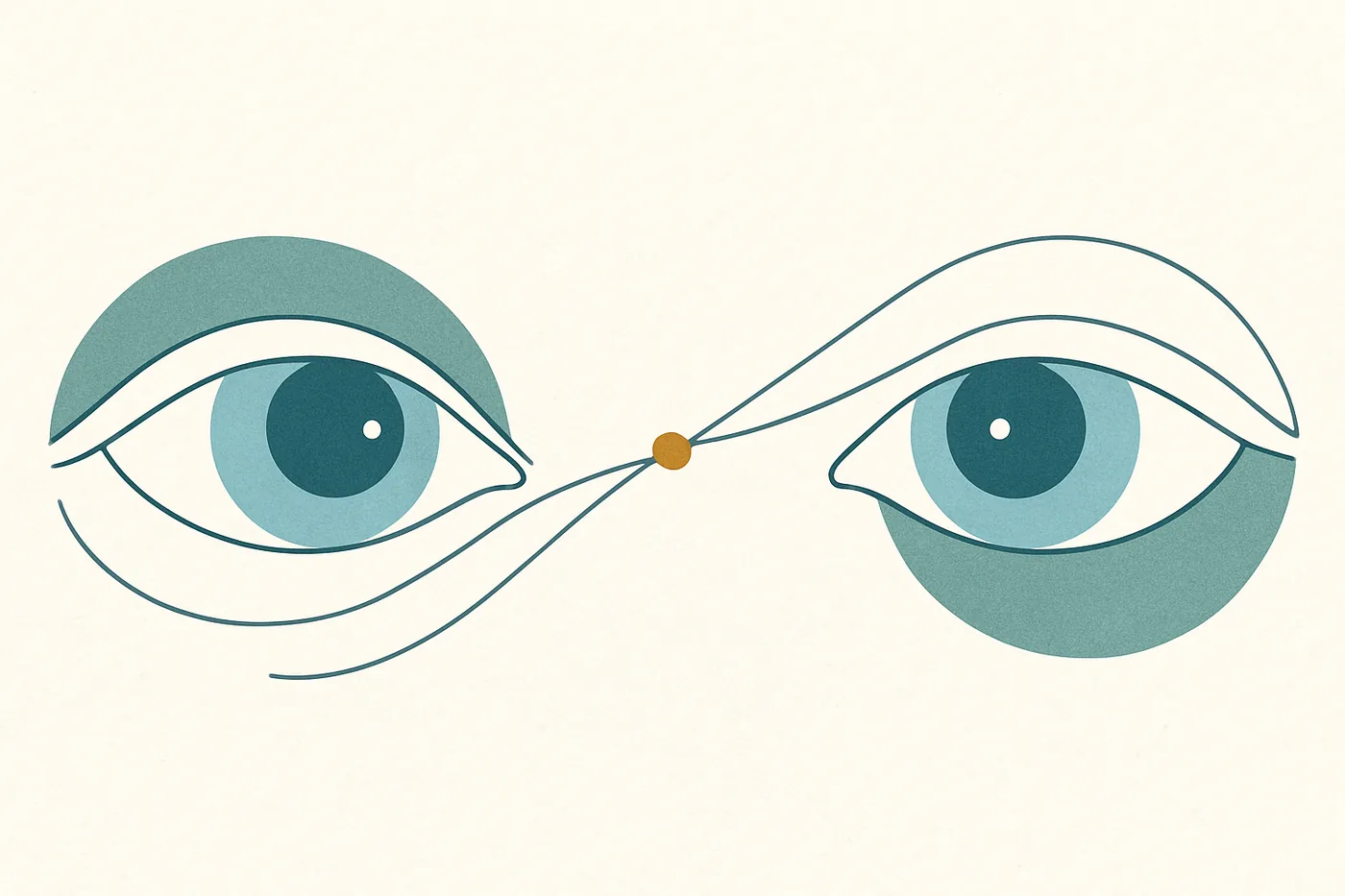
An orthoptic examination is a series of tests used to assess a person’s overall binocularity — in other words, the ability to use the two eyes together as a pair.
Binocular vision matters because it keeps our eyes aligned and working in sync. Whenever we focus on an object or follow something moving through our field of view, the brain fuses the image from each eye so that we always perceive a single image. It does this by telling each of the six muscles of each eye how to move in a synchronised way. A good binocular system is also what allows us to see the world in 3D.
Why might I need an orthoptic examination?
An orthoptic examination provides information on:
- Amblyopia (lazy eye)
- Binocular vision problems (difficulty using the eyes together)
- Abnormal eye movements (caused by injury or disease)
- Diplopia (double vision)
Which conditions call for an orthoptic assessment?
Many conditions can affect the binocular system. Some are congenital, where a person is born with a weakness or defect in one of the muscles that control eye movement. Muscle problems can also be acquired, developing as a result of many different conditions. They may be associated with certain syndromes, or arise at any stage of life through injury, as part of a systemic disease (such as diabetes or thyroid eye disease), or through neurological disease (such as certain brain lesions or stroke).
What are the symptoms of reduced binocularity?
- Blurred vision
- Double vision
- Eye strain
- Headaches
- Sometimes an altered head posture
Which tests take place during an orthoptic assessment?
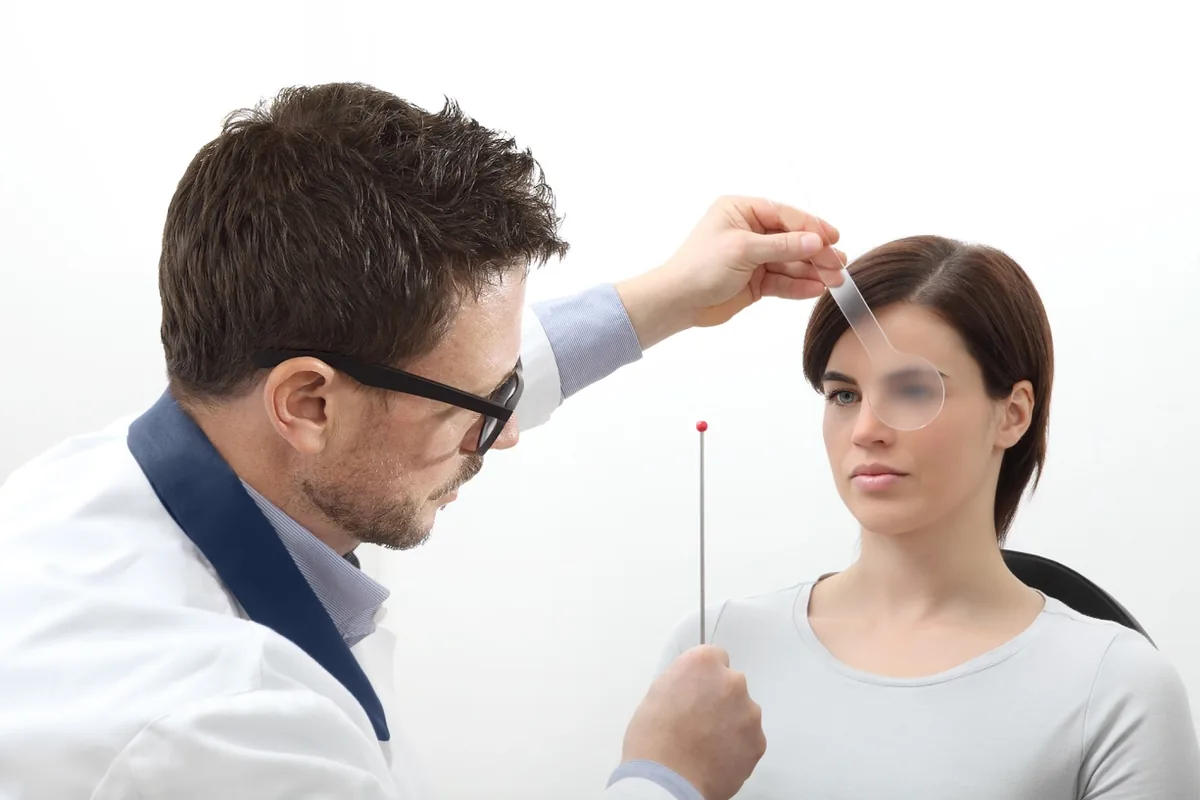
Orthoptic tests are designed to assess eye alignment, eye movement and binocular vision. Common tests include:
- Eye movement tests – assessing how your eyes move in different positions of gaze.
- Cover test – to diagnose strabismus (misalignment of the eyes).
- Visual acuity test – testing the vision in each eye.
- Stereopsis tests – assessing your 3D vision and ability to perceive depth.
What are the treatments for binocular vision problems?
- Orthoptic exercises can help train and strengthen the eye muscles
- Glasses or contact lens prescriptions can be adjusted to improve control of the eyes
- Prisms can be added to a prescription to help control the eyes
- Strabismus surgery, or Botox injections into the eye muscles, may be needed
Athens EyeCare Clinic has fully trained professionals who perform accurate orthoptic examinations and treat the causes of reduced binocularity.