
PRK
 Athens EyeCare Clinicathenseyecare.gr · (+30) 210 777 8515
On this page
What is photorefractive keratectomy (PRK)?
Photorefractive keratectomy (PRK) is a type of laser refractive surgery used to correct myopia (difficulty seeing distant objects clearly) and, in some cases, hypermetropia (difficulty seeing nearby objects clearly) and astigmatism (blurred vision at any distance).
How does it work?
Myopia occurs when the eye is too long for the focusing power of the cornea. Light rays that should focus on the retina (the light-sensitive tissue at the back of the eye) instead focus in front of it, causing images to appear blurred.
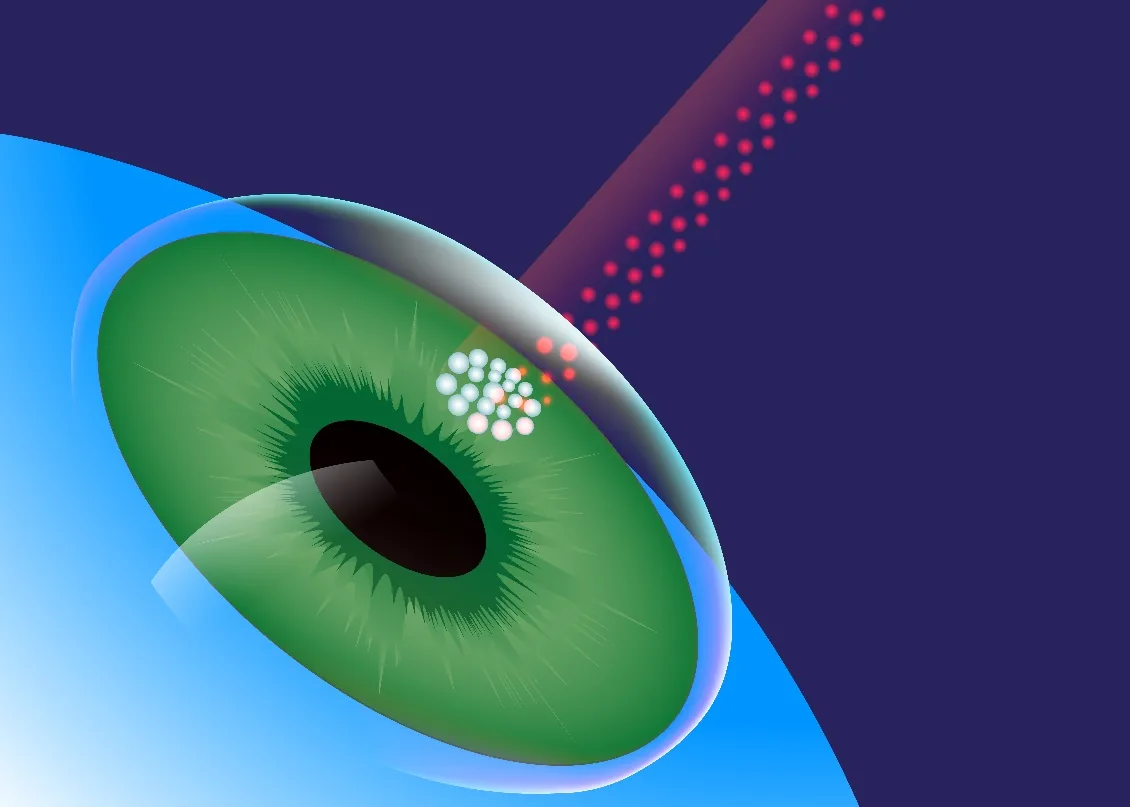
During PRK, the surgeon uses a laser to remove thin layers of tissue from the cornea. This changes the way the cornea focuses light, so that light rays fall on the retina — or closer to it — which improves your distance vision.
When is it used?
PRK is used to correct your distance vision and reduce your need for glasses or contact lenses. Be sure to talk to your ophthalmologist about the improvement in vision you can expect.
How do I prepare for the procedure?
Do not wear any make-up on the day of surgery.
The operation is performed at the ophthalmic medical centre. You will need to arrange for someone to take you home about an hour after surgery, and you should allow yourself a few days of rest at home while your eye heals.
What happens during the procedure?
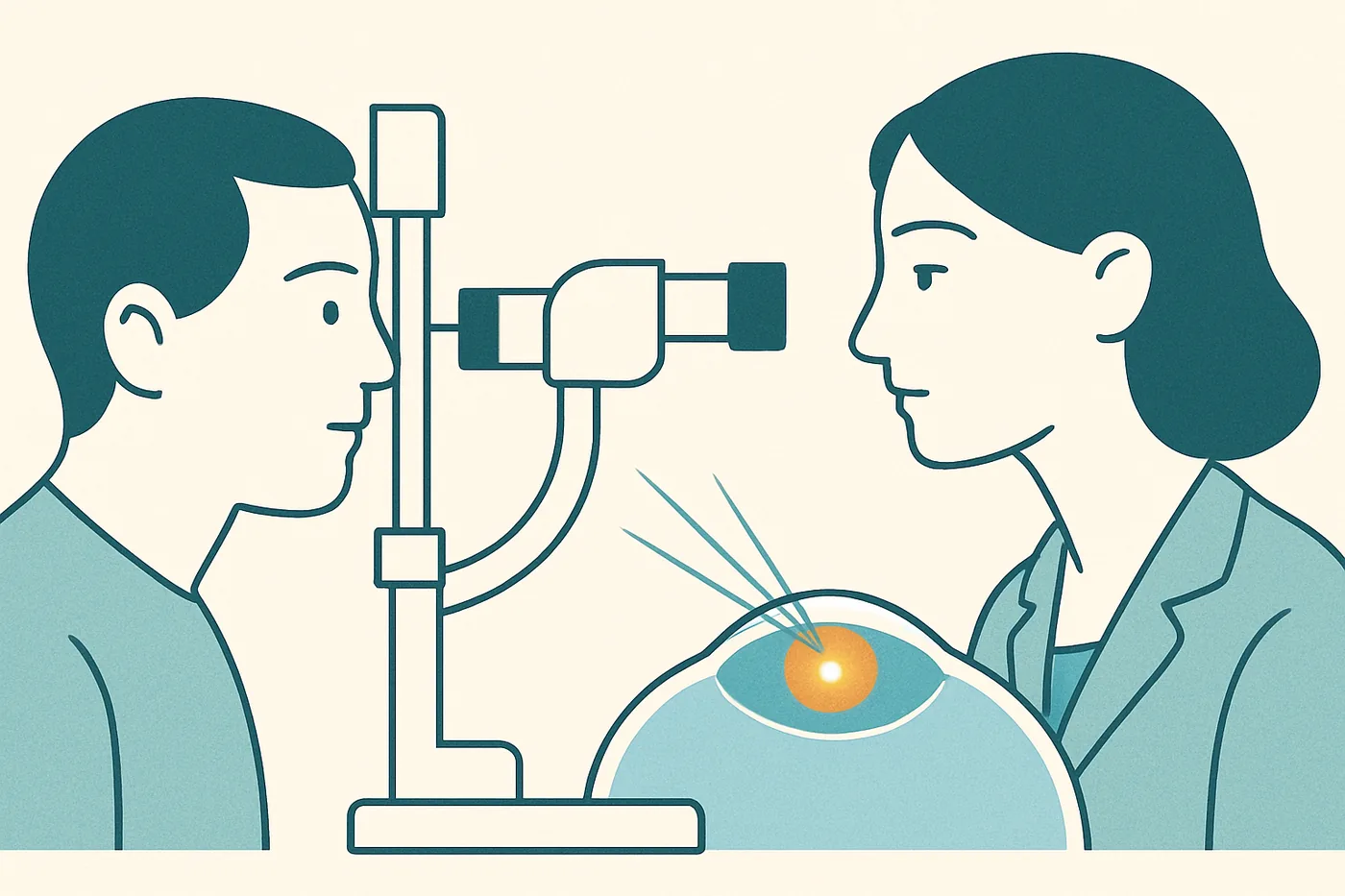
The doctor numbs the eye with special anaesthetic drops. The surgeon then gently removes the epithelium, the outer layer of the cornea, before using a special laser to remove thin layers of the stroma (the layer beneath) until the cornea reaches the right shape to improve your vision.
What happens after the procedure?
Your eye may be sore until the epithelium grows back, which takes about 3 to 7 days, and your vision may be blurry during this period. Ask your ophthalmologist about medication to ease any discomfort. A contact lens is often placed on the eye immediately after surgery to protect its surface and reduce discomfort; your doctor will remove it after 3 or 4 days, once the epithelium has healed.
Your vision may continue to change for several months.
What are the benefits of PRK?
Once their eyes have healed, many people (95% in some studies) achieve 20/20 vision or better after PRK. They no longer need glasses or contact lenses for driving and many other activities.
If needed, your ophthalmologist may repeat the surgery to improve your vision further.