
Optic Neuritis
 Athens EyeCare Clinicathenseyecare.gr · (+30) 210 777 8515
On this page
What is Optic Neuritis?
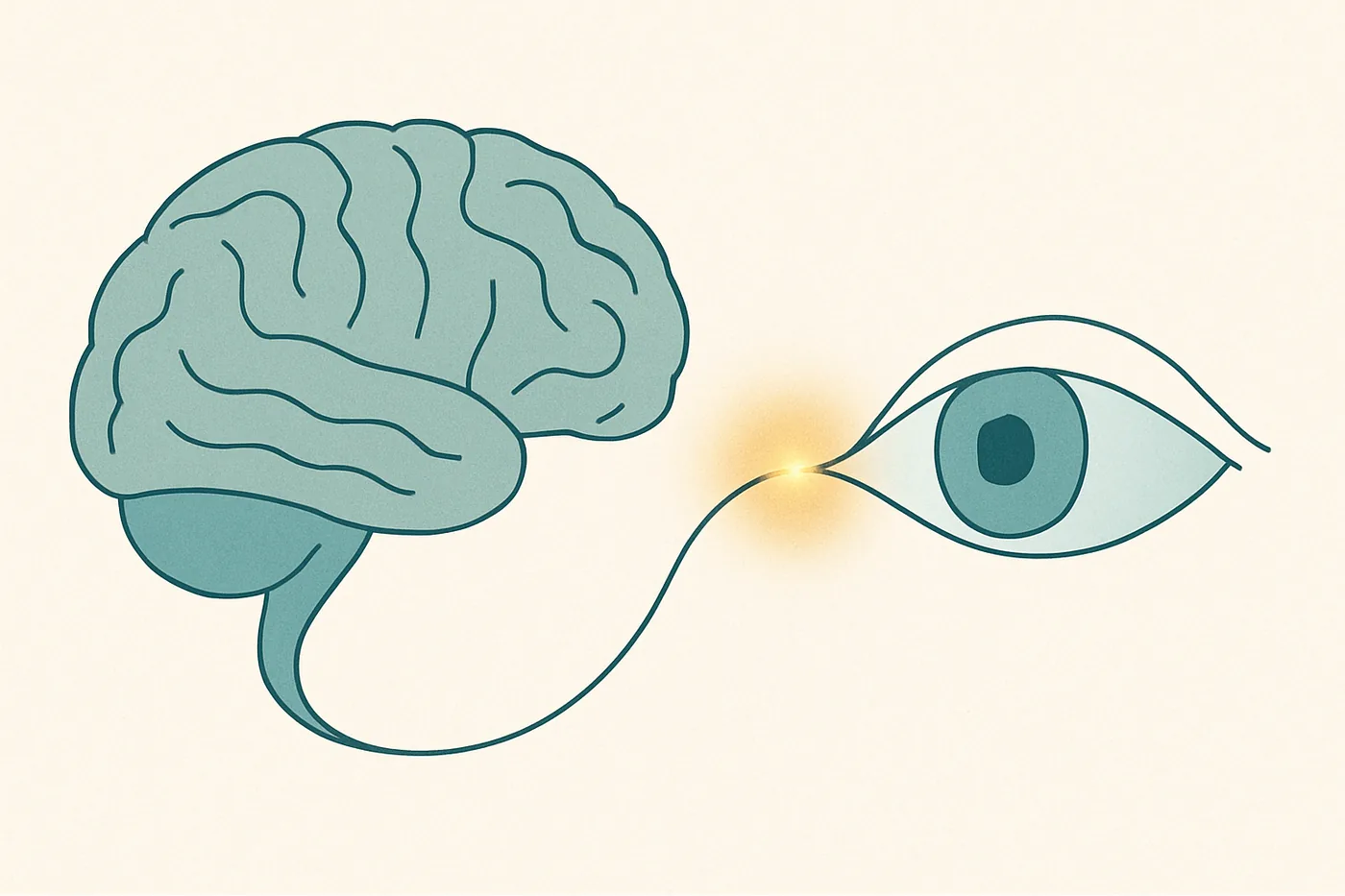
Optic neuritis is a condition in which the nerve to the eye (the optic nerve) becomes inflamed or irritated. Inflammation is a process in which white blood cells and chemical messengers travel to an area of the body to stimulate healing or to attack viruses or foreign material. Optic neuritis can occur as part of a disease or without any specific known cause.
Who gets Optic Neuritis?
This disease can affect anyone at any age, but most cases occur in women between the ages of 20 and 40.
What causes Optic Neuritis?
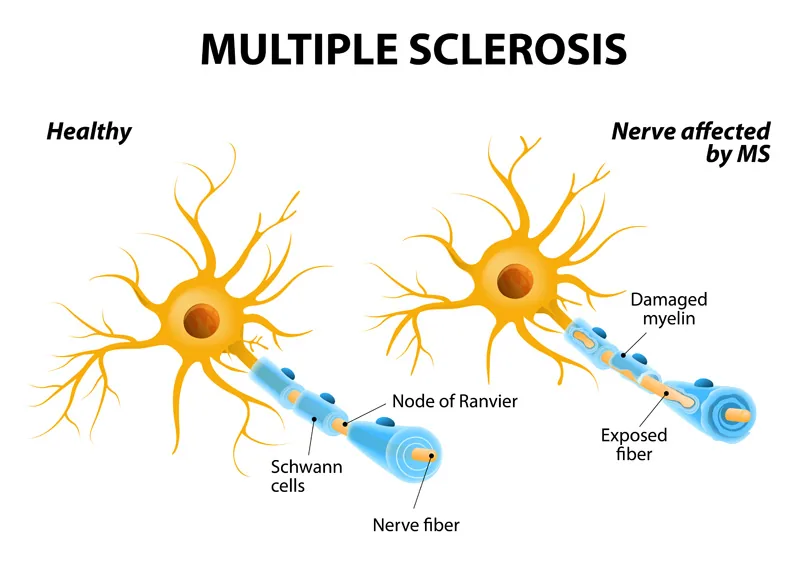
The most common cause of optic neuritis is inflammatory demyelination of the optic nerve. Demyelination is a process in which the myelin is stripped away by disease. Optic Neuritis is believed to be an autoimmune process, in which, for some unknown reason, the immune system attacks the body’s own tissues and causes injury. While this may occasionally follow an infection, there is often no clear reason why the immune attack occurs.
Myelin is a material produced by oligodendrocytes (a type of cell) in the central nervous system. It wraps around the axons of many nerves, helping to speed up nerve activity and insulating the electrical conduction within them.
Some patients with Optic Neuritis will go on to have further episodes of demyelination in the nervous system and develop multiple sclerosis. Multiple sclerosis is an autoimmune condition in which attacks of demyelination occur in different parts of the brain and spinal cord over time.
What are the symptoms of Optic Neuritis?
- Optic Neuritis usually occurs in one eye, though occasionally both eyes are affected.
- Vision loss is common; it typically develops over a few days and stops progressing within one to two weeks.
- Symptoms include blurred vision, loss of part or all of the central vision, reduced colour vision and dimness of vision.
- It may also be harder to see at night, owing to difficulty with contrast and glare.
- Most patients with Optic Neuritis have eye pain, which is characteristically worse when the eye moves.
- Some people see flickering or flashing lights when they have optic neuritis (about 1 in 3 people).
- Some people notice that their vision becomes blurrier when they exercise or exert themselves.
How is Optic Neuritis diagnosed?
The diagnosis of Optic Neuritis is based on the patient’s medical history, together with the exclusion of other diseases that can cause visual loss. An eye examination may reveal abnormalities at the back of the eye in the optic disc — the part of the optic nerve that can be seen using an instrument called an ophthalmoscope. There may also be abnormalities in visual field testing, colour vision testing and visual acuity testing that help to confirm the diagnosis.
Occasionally, other diseases have to be considered when diagnosing Optic Neuritis, but these are usually apparent from the history and examination. For example, some people over the age of 50 experience a sudden loss of vision in one eye that is due to a problem with the blood supply to the eye, rather than to inflammation.
Is there any testing for Optic Neuritis?
Testing helps to exclude other diagnoses and to gauge the likelihood of other diseases. An MRI scan of the brain and orbits (the eye sockets) with gadolinium contrast may confirm the diagnosis of acute demyelinating optic neuritis. In addition, patients whose MRI scans show two or more areas of demyelination in the brain are now known to have a higher risk of going on to develop MS than patients with few or no such areas.
- MRI scans let doctors look at the brain and spinal cord using a very powerful magnet that reveals the inner tissues. Gadolinium helps to highlight inflammation in the brain and optic nerve. Gadolinium should not be used in patients with significant kidney disease or known allergic reactions to the dyes used in contrast material.
- Lumbar puncture is usually not necessary for isolated optic neuritis, but it is sometimes used to assist in the diagnosis of multiple sclerosis. If there are unusual features of the Optic Neuritis — for example, a patient younger than 15 years, bilateral Optic Neuritis, or symptoms suggesting infection — a lumbar puncture may be needed to check for other diseases.
- Blood tests may be necessary for some people with optic neuritis, depending on the situation. Diseases that can be checked for with a blood test include, but are not limited to, lupus erythematosus, temporal arteritis, sarcoidosis, syphilis and Lyme disease.
- The visual evoked potential test is non-invasive and measures how electrical signals are conducted along the visual pathways. For the test, the patient watches a checkerboard pattern on a screen while electrodes monitor brain activity. In Optic Neuritis, conduction may be slowed in one or both optic nerves.
- Optical coherence tomography (OCT) is a newer, non-invasive technique for evaluating the back of the eye. The test can measure the nerve fibre layer at the back of the eye. OCT’s role in the diagnosis of Optic Neuritis is still unclear.
Is there any treatment for Optic Neuritis?
Optic Neuritis may resolve spontaneously, without treatment. However, if visual function is poor, a course of IV methylprednisolone (a steroid medication), followed by a tapering course of oral steroids, has been shown to speed the recovery of visual function. The usual course is three days of IV steroids followed by a few days of tapering medication. Side effects of steroids include:
- Difficulty sleeping
- Stomach upset
- A metallic taste
- Anxiety or irritability
- Increased glucose levels (particularly in diabetics)
- Thrush (a fungal infection)
Long-term steroid use carries other risks. Low-dose oral prednisone is no longer used, as it is not effective for optic neuritis.
If patients have multiple areas of demyelination on MRI scans of the brain, there is some evidence that using medications that are effective in relapsing-remitting multiple sclerosis may make it less likely that they will develop Multiple Sclerosis.
What is the prognosis for Optic Neuritis?
In general, Optic Neuritis improves in about 80 per cent of patients over a few weeks. Some people are left with ongoing visual changes, reduced colour vision or greater difficulty with night-time vision; many others have a complete resolution of their symptoms. Even where some residual vision loss remains, people regain functional vision and can read and pass a driving test.
Occasionally Optic Neuritis recurs and requires further treatment. A small group of patients experience repeated recurrences of Optic Neuritis and need ongoing treatment. Over time, about 50 per cent of patients with Optic Neuritis will develop other neurological symptoms suggesting Multiple Sclerosis. Patients with more severe Optic Neuritis may have a condition called Neuromyelitis Optica, which can be diagnosed with a blood test.
Related conditions