
Viral or Bacterial Conjunctivitis
 Athens EyeCare Clinicathenseyecare.gr · (+30) 210 777 8515
On this page
What is conjunctivitis?
Conjunctivitis is inflammation of the conjunctiva — the clear membrane that lines the eyelids and covers the white of the eye. Conjunctivitis is sometimes called “pink eye”.
What causes it?
Conjunctivitis can have many causes, including infection with viruses or bacteria. The viruses responsible for the common cold can lead to conjunctivitis, while bacteria that cause it include chlamydia, staphylococci and streptococci. Severe conjunctivitis, such as that caused by gonococci, can cause blindness.
Both viral and bacterial forms of conjunctivitis pass easily from person to person — for example, through coughing or sneezing. Bacteria or viruses can also enter your eyes through contact with contaminated objects, such as:
- Hands
- Towels
- Cosmetics
- False eyelashes
- Soft contact lenses
What are the symptoms?
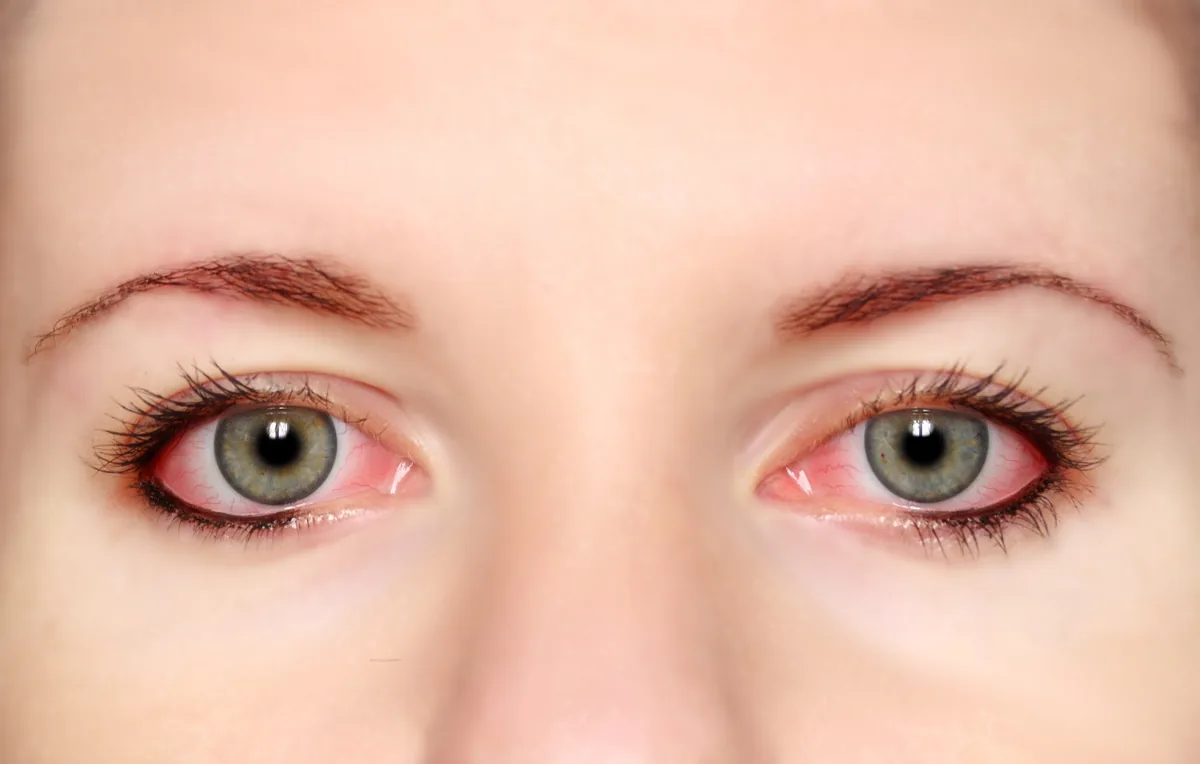
Symptoms may include:
- Itchy or gritty eyes
- Redness
- Sensitivity to light
- Swollen eyelids
- Watery discharge
- Discharge containing pus
How is the diagnosis made?
Your ophthalmologist will ask about your medical history and whether you have been in close contact with someone who has conjunctivitis. They will examine your eyes and also check for enlarged lymph nodes near your ear and jaw. If the conjunctivitis appears to be bacterial, your ophthalmologist may send a sample of the discharge for laboratory testing to identify the bacteria involved.
How is it treated?
Like a cold, viral conjunctivitis usually clears up on its own, even without treatment. However, your ophthalmologist may prescribe eye drops to help control your symptoms.
If you have bacterial conjunctivitis, your ophthalmologist will prescribe antibiotic drops. You can also help your eyes recover by bathing them gently to remove any pus or crusting. For very severe forms of conjunctivitis, antibiotics may need to be given intravenously. If you wear contact lenses, stop wearing them until your eyes have healed: the combination of contact lenses and conjunctivitis can damage the cornea and cause serious vision problems.
How long will the symptoms last?
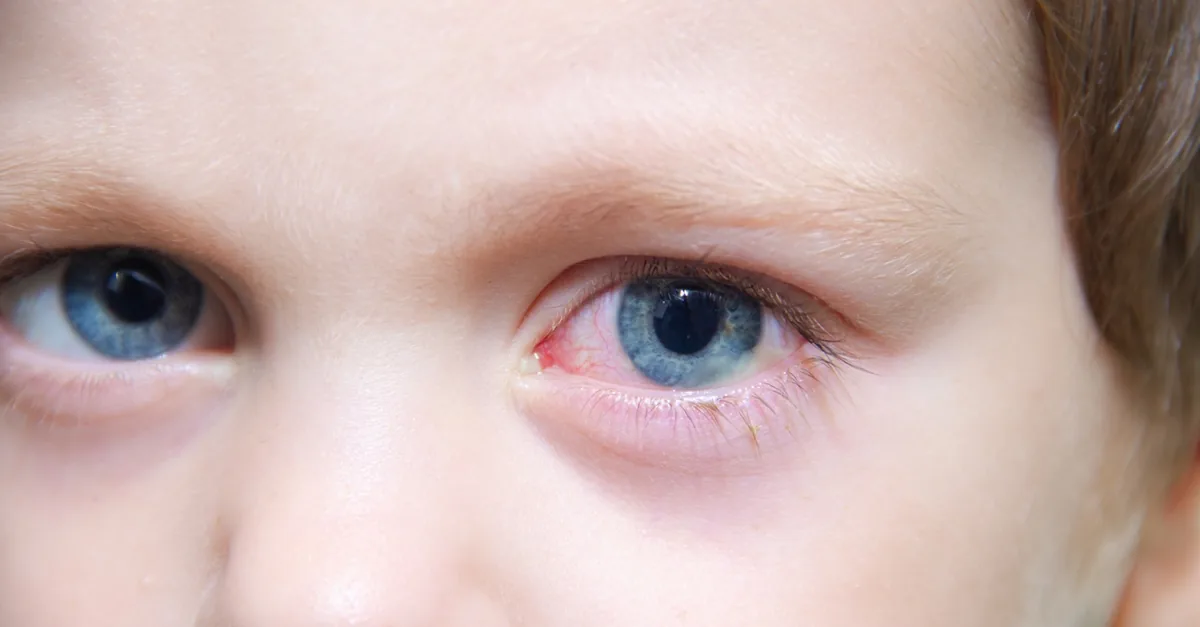
Viral conjunctivitis usually worsens 5 to 7 days after the first symptoms appear, and can take anywhere from 10 days to 1 month to improve. If only one eye is affected at first, it may take up to 2 weeks for the other eye to become involved. When both eyes are affected, the first is usually worse than the second.
Bacterial conjunctivitis should improve within 2 days of starting antibiotics. If your eyes are no better after 3 days of treatment, call your ophthalmologist.
How can I prevent conjunctivitis?
To avoid catching conjunctivitis from someone who has it — or passing it on to others — follow these guidelines:
- Wash your hands frequently, and do not touch or rub your eyes.
- Never share eye make-up or cosmetics with anyone. If laboratory results confirm that you have conjunctivitis, throw away any eye make-up you had been using.
- Never use eye medication prescribed for someone else.
- Do not share towels or bed linen with anyone. If one of your eyes is affected but not the other, use a separate towel for each eye.
- Avoid swimming pools while you have conjunctivitis. Avoid close contact with other people until you have been taking antibiotics for 24 hours and your eye is no longer producing much pus. Children can return to school or nursery after 24 hours of antibiotic treatment.
When should I call the ophthalmologist?
Call your ophthalmologist if:
- You have severe pain in your eyes.
- Your symptoms have not improved after 3 days of using your medication.
- Your eyes become very sensitive to light, even weeks after the redness has gone.
Related conditions