
Cornea Transplant
 Athens EyeCare Clinicathenseyecare.gr · (+30) 210 777 8515
On this page
- What is a cornea transplant?
- What symptoms may indicate that I need a cornea transplant?
- Which diagnoses may indicate that I need a corneal transplant?
- How is a cornea transplant performed?
- What usually happens before cornea transplant surgery?
- What should I expect after my corneal transplant?
- What complications are associated with cornea transplants?
- Can a cornea transplant be prevented?
- What is the prognosis (outlook) for people who have a cornea transplant?
What is a cornea transplant?
The long-term success of a cornea transplant depends on the cause of the corneal damage, the surgical technique used, the expertise of the surgeon, the possibility of graft rejection and other factors.
What is a cornea transplant?
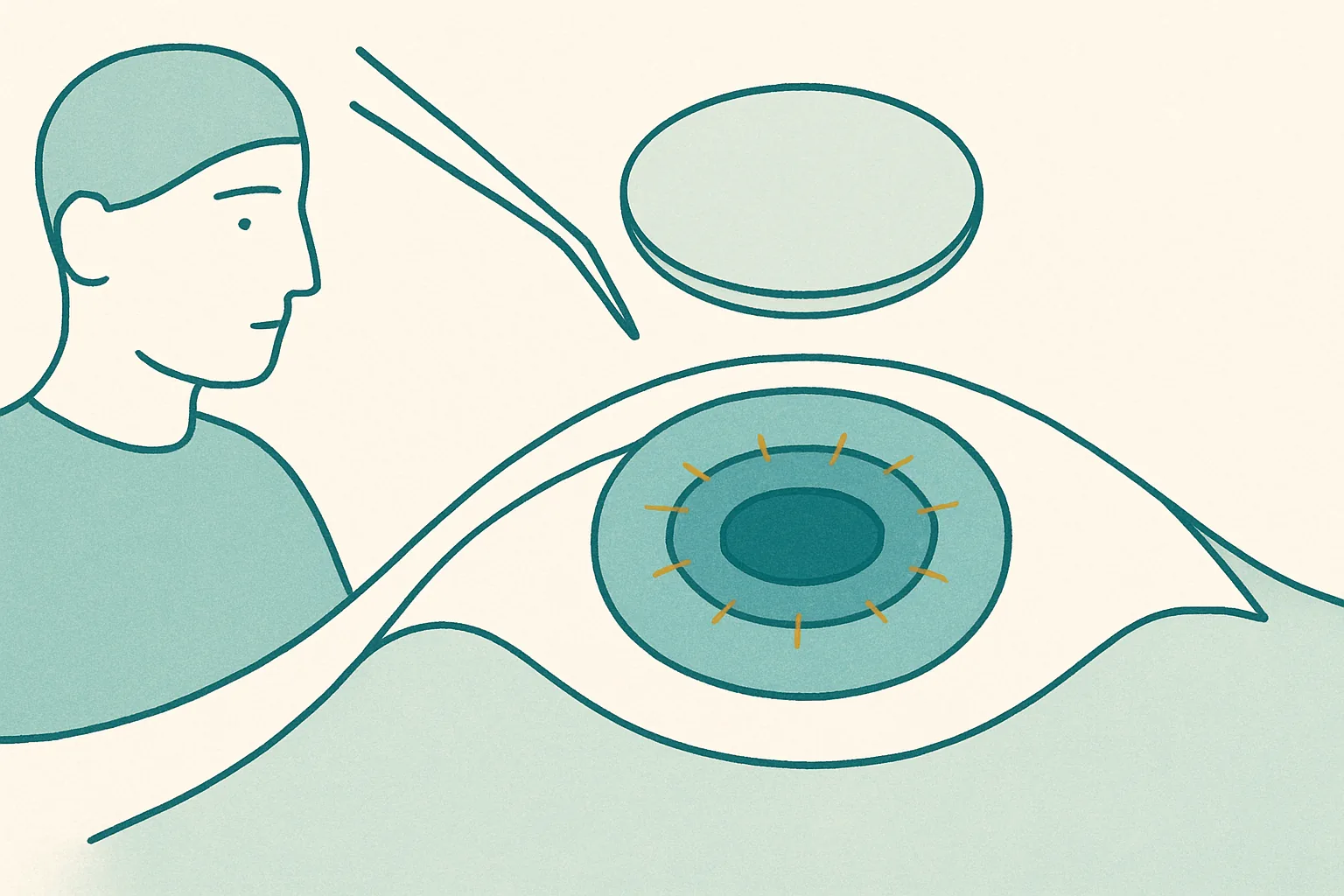
A cornea transplant is a procedure that replaces your cornea — the clear front layer of your eye. During the procedure, your surgeon removes the damaged or diseased corneal tissue and replaces it with healthy corneal tissue from the eye of a deceased human donor. For many people, cornea transplant surgery restores clear vision and improves their quality of life.
What does the cornea do?
The clear, dome-shaped cornea protects the eye from dirt, germs, other particles and damaging ultraviolet light. Working together with the eye’s lens, the cornea also focuses the light entering the eye so that vision is clear.
The cornea is made up of three main layers of tissue, with two thinner membrane layers between them.
What symptoms may indicate that I need a cornea transplant?
If you have a damaged cornea, you may experience symptoms such as:
- Eye pain
- Blurred vision
- Cloudy vision
Your corneal specialist ophthalmologist will determine the cause and consider whether other treatments could resolve these symptoms.
Which diagnoses may indicate that I need a corneal transplant?
Conditions that damage your corneas and impair your ability to see clearly may call for a corneal transplant. They include:
- Fuchs’ dystrophy, a condition in which the cells of the cornea’s inner (endothelial) layer die, causing swelling and thickening of the cornea and blurred vision
- Keratoconus, a condition in which the cornea becomes cone-shaped rather than dome-shaped
- Infections that cause permanent damage to the cornea
- Traumatic injuries that penetrate or scar the cornea
- Previous eye operations that have damaged the cornea
- Bullous keratopathy, a blister-like swelling of the cornea that causes eye discomfort, pain and blurred vision
- Keratitis, an inflammation of the cornea caused by viruses, bacteria, fungi or parasites
How is a cornea transplant performed?
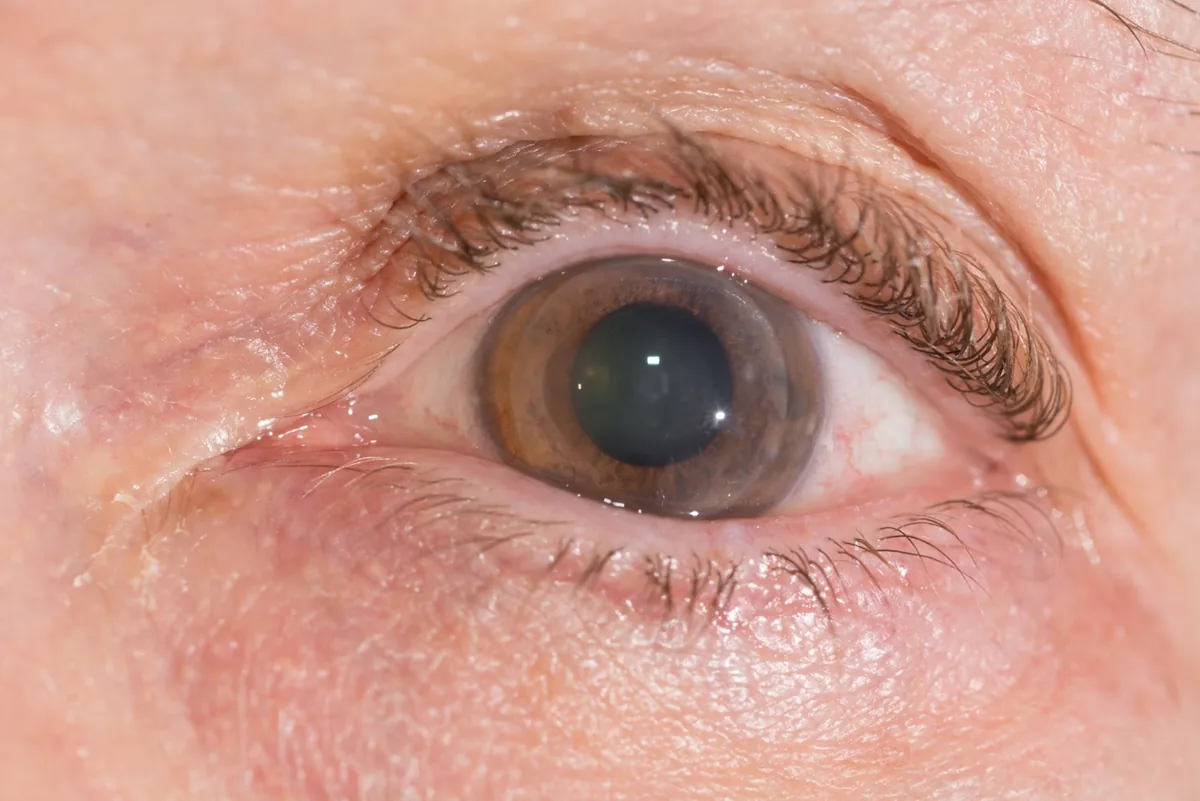
Your surgeon will recommend one of three surgical options for your cornea transplant:
- Penetrating keratoplasty
- Partial-thickness keratoplasty (DALK – Deep Anterior Lamellar Keratoplasty)
- Endothelial keratoplasty
The method your surgeon chooses depends on the cause of the damage, the condition of your cornea and your individual needs. In some cases a cornea transplant may not improve vision, or your surgeon may recommend avoiding surgery altogether.
Whichever type of graft you receive, your new cornea will come from a deceased human organ donor. Every donor cornea undergoes a thorough examination to make sure it is safe for transplantation. The cornea consists of three layers of tissue, and each surgical option focuses on a specific layer or layers.
Penetrating keratoplasty
Penetrating keratoplasty is also known as full-thickness cornea transplantation. In this procedure, your surgeon uses a small circular blade to remove the entire central part of the damaged cornea and replaces it with an identically shaped piece of healthy donor cornea.
DALK – Deep Anterior Lamellar Keratoplasty
If the inner layer of your cornea is healthy but the middle and outer layers are damaged, your surgeon may perform a partial-thickness cornea transplant. During this surgery, the middle and outer layers of your cornea are removed and replaced with healthy corneal tissue.
Endothelial Keratoplasty
This procedure can help if the inner layer of your cornea, the endothelium, is damaged. This thin layer of endothelial tissue is known as the Descemet membrane. Surgeons perform two types of endothelial keratoplasty:
- Descemet stripping automated endothelial keratoplasty – DSAEK
- Descemet membrane endothelial keratoplasty – DMEK
Both procedures remove the damaged endothelial tissue and replace it with healthy donor tissue. Unlike other keratoplasty procedures, endothelial keratoplasty requires few or no stitches; instead, an air bubble is used to keep the donor cornea in place. To give the graft the best chance of success, you will need to lie on your back for a few days after the operation so that the bubble can hold the cornea in position.
What usually happens before cornea transplant surgery?
Your corneal specialist ophthalmologist and the anaesthetic team will review your medical history, answer your questions and confirm the surgical plan.
The surgery itself is an outpatient procedure (you will not stay overnight at the eye centre), and the operation usually takes less than 2 hours.
What should I expect after my corneal transplant?
In the first few days after surgery, expect your eye to be red, irritated and sensitive to light. The pain can usually be controlled with painkillers your surgeon may recommend. Your eye will be covered with an eye patch after surgery, which should also be worn when showering and sleeping. Your surgeon will discuss the activities you should avoid — especially anything that could lead to a direct blow to the eye. After an endothelial transplant, you will need to lie face up (on your back) for a few days.
You will have a follow-up visit with your surgeon, usually within 24 to 48 hours of the operation, when the eye patch will be removed and your healing checked. The eye drops and ointments usually prescribed include both antibiotics (to prevent infection) and corticosteroids (to reduce swelling and inflammation, and to prevent rejection).
Sutures may need to be removed, depending on the type of sutures and the surgical technique used. If the stitches do need to come out, this may not happen for several months.
Your surgeon will recommend that you wear glasses or protective goggles for some time to shield your eyes. During recovery, you should not rub or press on your eyes: rubbing can cause damage and interfere with healing.
What complications are associated with cornea transplants?
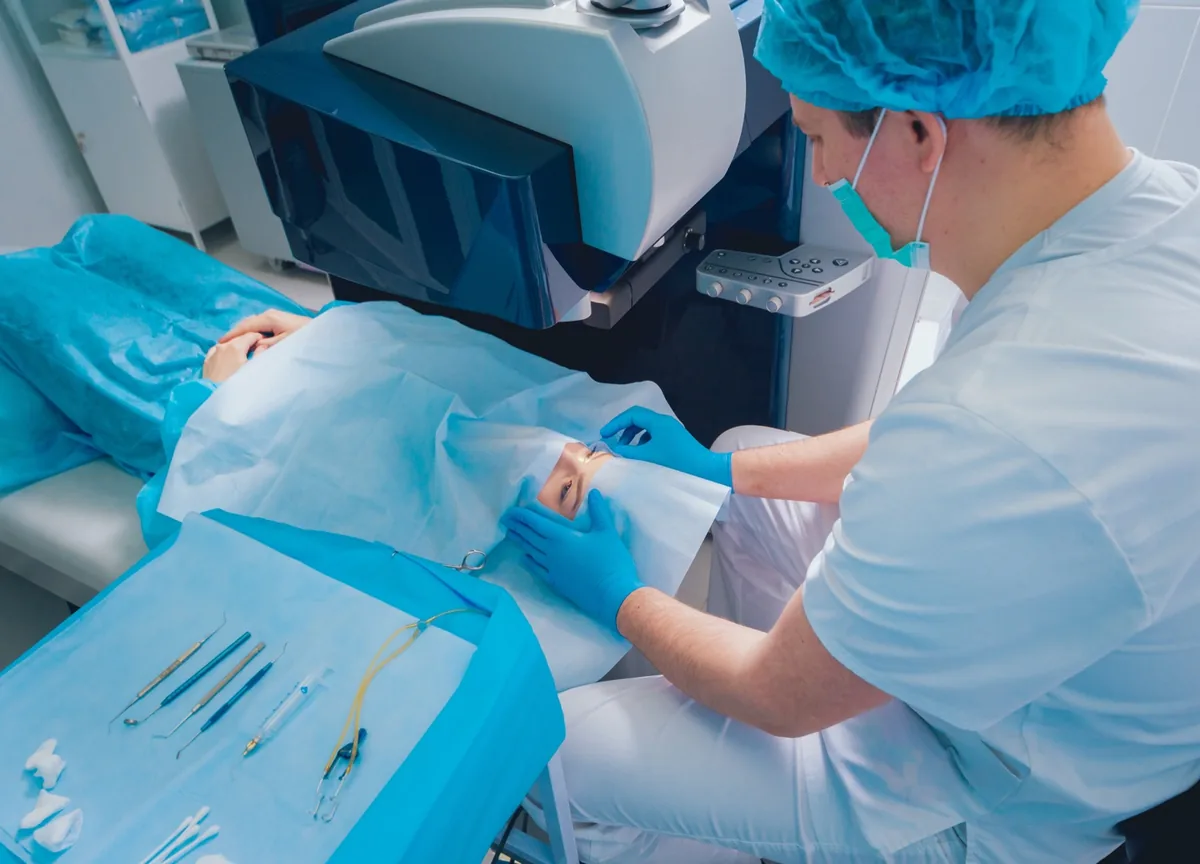
One of the most concerning complications of a cornea transplant is rejection of the corneal graft. Rejection means that your body’s immune system recognises the cornea as foreign and tries to fight off the transplant.
The risk of rejection varies with the surgical technique used and the condition of your eye. Conditions such as dry eyes, blood vessels growing into the cornea and eye infections increase the likelihood of rejection. In some eyes, a graft carries a very high risk of rejection, and your surgeon may recommend avoiding surgery. Ask your doctor how the condition of your eye affects the chances of rejection.
Other complications of corneal transplant surgery include:
- Infection – in the cornea or inside the eye
- Bleeding
- Glaucoma (increased pressure inside your eye)
- Fluid leakage from your cornea
- Retinal detachment (the tissue lining the back of the eye pulls away)
- Problems with visual acuity (sharpness of vision) caused by an irregular curvature of the cornea
- Detachment of the corneal graft (in endothelial grafts held in place by an air bubble)
For most people, a cornea transplant is very successful in the long run. Your surgeon can help you decide whether a cornea transplant is right for you.
Can a cornea transplant be prevented?
The key to avoiding a cornea transplant is to prevent damage or injury to your cornea in the first place. If a damaged cornea does not heal with other methods, a transplant may be unavoidable in order to preserve your vision.
What is the prognosis (outlook) for people who have a cornea transplant?
The degree of long-term success depends on several factors: the underlying cause of the corneal damage, the surgical technique used, the surgeon’s expertise, how well the patient’s immune system accepts the donor tissue (graft rejection), and others. Because success rates vary so widely, you should ask your cornea specialist ophthalmologist about the success rate expected for your eye. It is important to keep in mind that vision is usually blurred immediately after surgery and improves gradually over time. How long it takes to regain good vision depends on several factors, including the type of surgery performed; in patients who undergo a full-thickness cornea transplant, it may take up to 12 months for full vision to be achieved.
Related conditions